[gtranslate]
Welcome to LIA
The International Associated Laboratory (LIA/ELA-UnB) is an international space for research, training, and exchange dedicated to the study of migration, refuge, and contemporary human mobilities. Bringing together researchers and professionals from different scientific traditions and national contexts, LIA promotes interdisciplinary dialogue and the collective construction of knowledge — producing innovative and socially committed analyses on human mobility, rights, and citizenship.

Organizers

About the Laboratory
The International Associated Laboratory (LIA) was established through cooperation between the University of Brasília (UnB), Université Paris 8 Vincennes–Saint-Denis, and the Autonomous University of Barcelona (UAB), bringing together researchers and professionals committed to the development of high-quality research, advanced academic training, and ongoing dialogue among different scientific traditions and national contexts.
Its central mission is to foster interdisciplinary discussion, comparative research, and the exchange of experiences among partner institutions, strengthening international cooperation and the collective construction of knowledge on contemporary migration phenomena.
The laboratory seeks to contribute innovative and socially engaged analyses of human mobility, rights, and citizenship.The LIA’s activities cover topics such as migration policies and governance; quantitative and qualitative methodologies applied to migration studies; labor, mobility, and labor market integration; gender, race, and intersectionality; human rights and international law; access to public policies; forced displacement; climate change and humanitarian crises; borders, securitization, and human trafficking; South–South migration; international cooperation; artificial intelligence applied to migration studies; as well as the intersections between migration, art, culture, education, and health.
Laboratory
Coordination
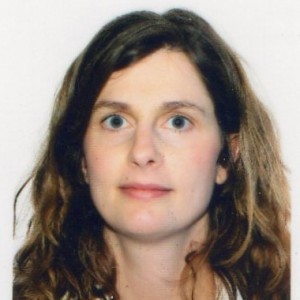
Paola Garcia
Paola Garcia is an Assistant Professor of Latin American Civilization. She teaches contemporary Latin American history in the LLCER (Spanish) and LEA programs, as well as cultural heritage marketing and corporate culture in the Master’s program in International Management and Trade. Her research focuses on the relationships between culture, politics, and identity in Latin America, with a specific emphasis on the study of migration.
Leonardo Cavalcanti da Silva
Professor at the University of Brasília, affiliated with the Graduate Program In Comparative Studies Of The Americas, Department Of Latin American Studies (PPGECSA/ELA), and a CNPq Productivity Fellow (PQ2). He holds a PhD from the University of Salamanca (in a joint-supervision program with the University of São Paulo), served as a tenure-track Assistant Professor (*Profesor Ayudante Doctor*) in the Department of Sociology at the Autonomous University of Barcelona (UAB) from 2008 to 2013, and conducted postdoctoral research at the University of Oxford (2009) and Columbia University (2011). His areas of expertise include comparative studies on Latin American migration, with an emphasis on the transnational perspective of migration, labor markets, globalization, and multiculturalism.
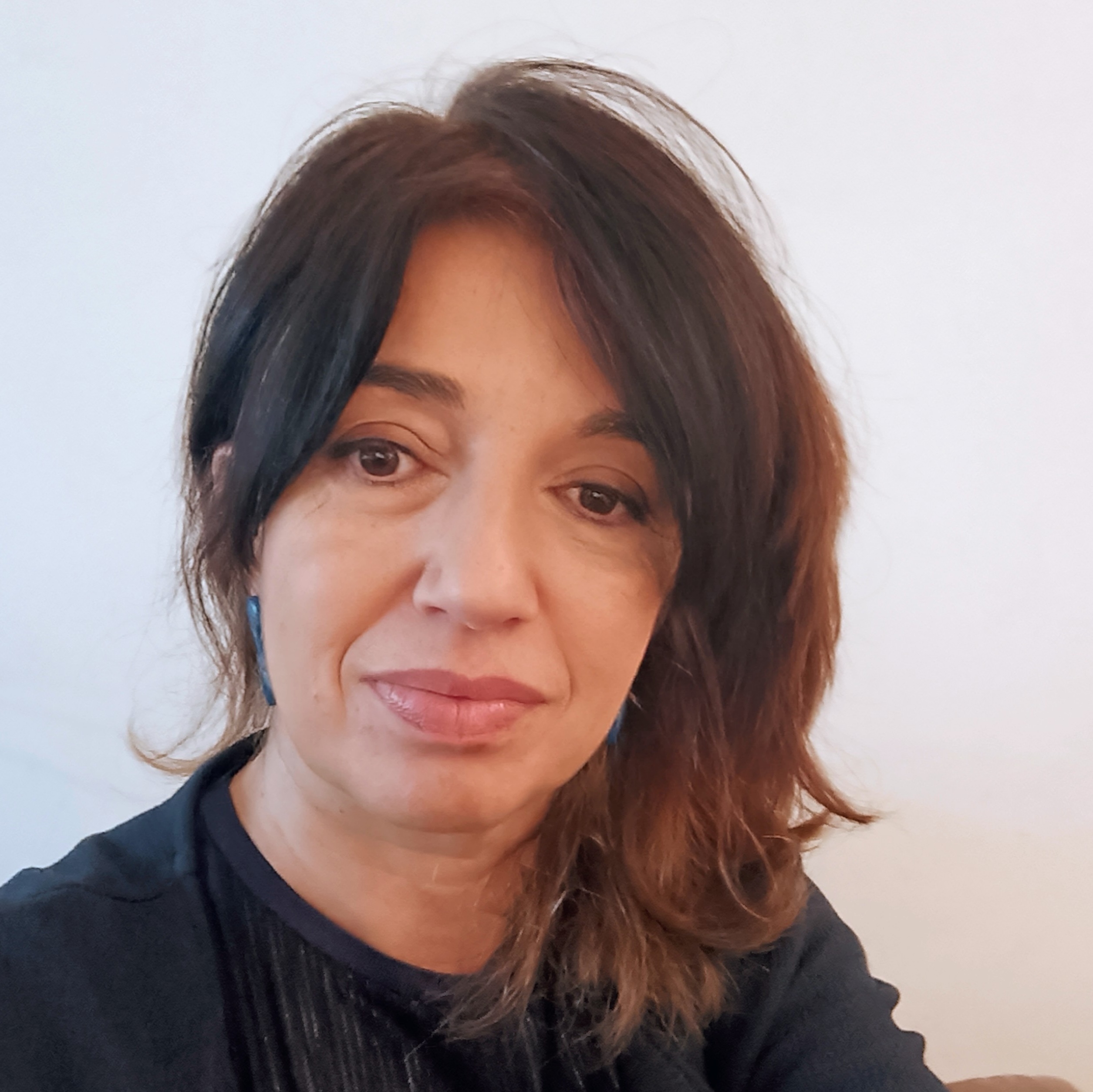
Dra. Sònia Parella
Dr. Sònia Parella is Full Professor at the Universitat Autònoma de Barcelona (UAB) and researcher at CER-Migracions. Her areas of specialisation are: Gender and Migration; Transnational processes and practices in contexts of migration; Migration, Human Rights and Social Justice; Ethnicity, Diversity and Social Inclusion; Migration governance
Scientific board
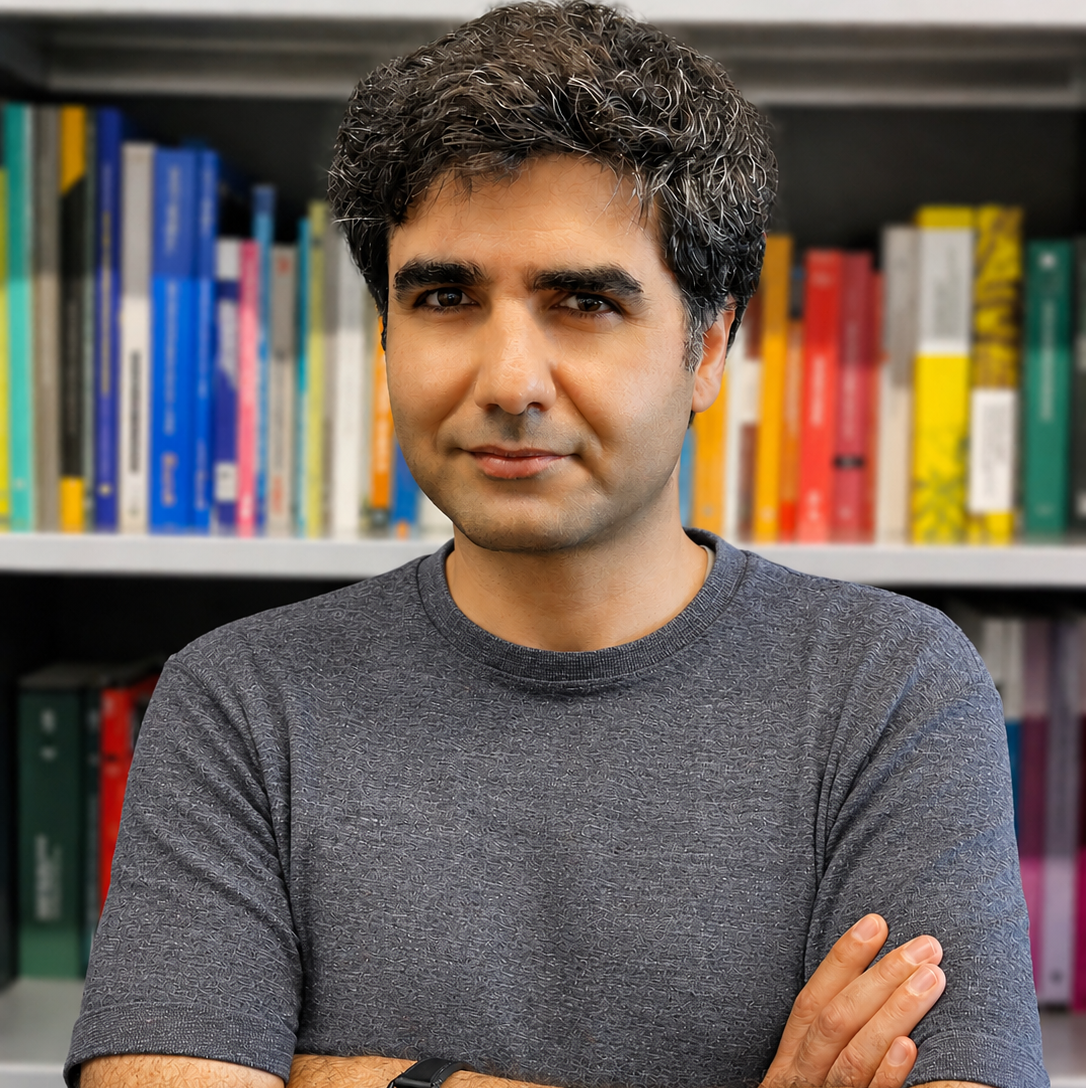
Dr. Massoud Sharifi
Dr. Massoud Sharifi is an Assistant Professor at the Universitat Autònoma de Barcelona (UAB) and researcher at CER-Migracions. His research centres on the intersections of migration, minority politics, transnationalism, and social policy, with particular attention to governance, integration, and political participation.
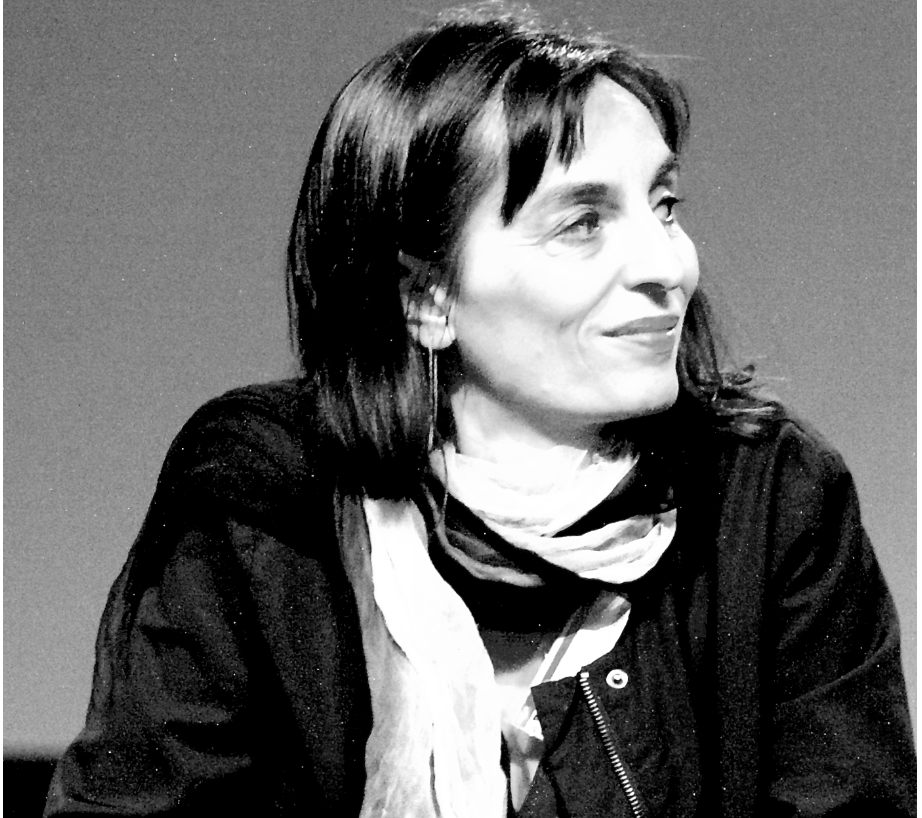
Delphine Leroy
Delphine Leroy is an anthropologist and HDR lecturer in educational sciences at the University of Paris 8, within the LIAgE laboratory, and affiliated with the Institut Convergences Migrations. Her research focuses on migratory experiences, linguistic and scriptural appropriations, self-writing and transformations produced in transcultural contexts.
Members
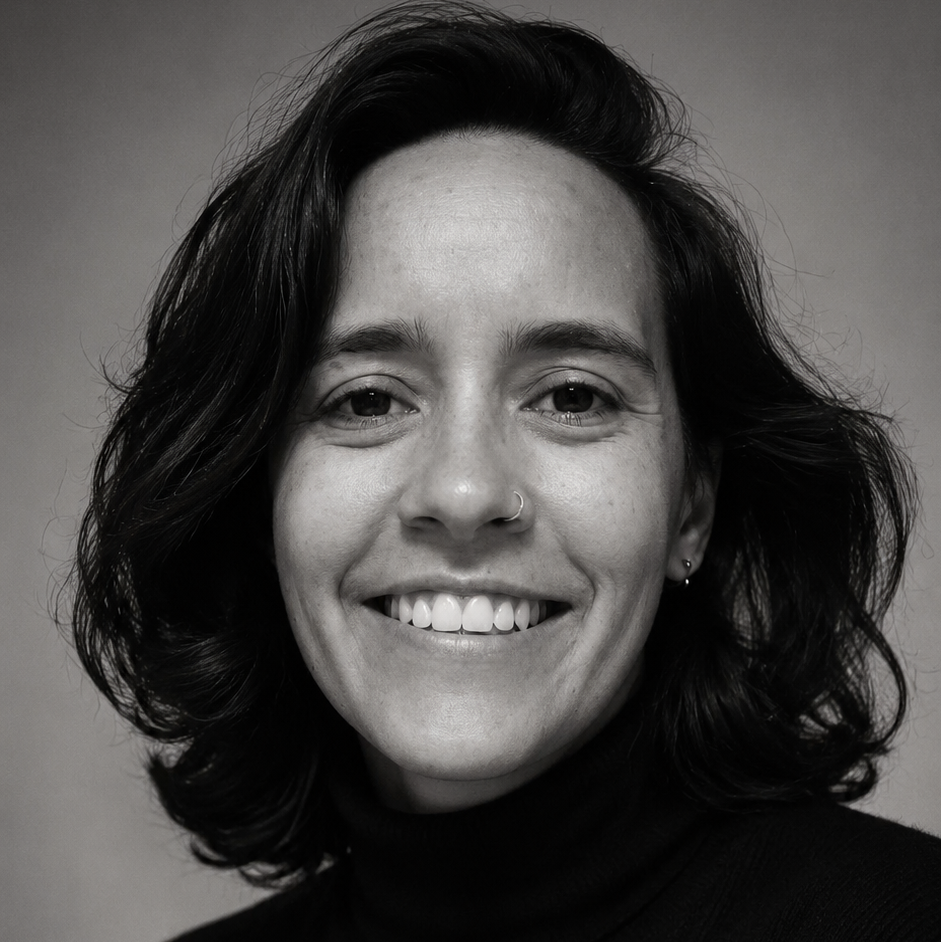
Eva Santiago Garcia
Political scientist, graduate of the Universidad de Los Andes, Mérida, Venezuela, with a Master’s degree in New Journalism, Political Communication and Knowledge Society from the Universitat de València. Predoctoral researcher in Communication and Interculturality, her research focuses on migration, political communication and intercultural processes, particularly Venezuelan migration.
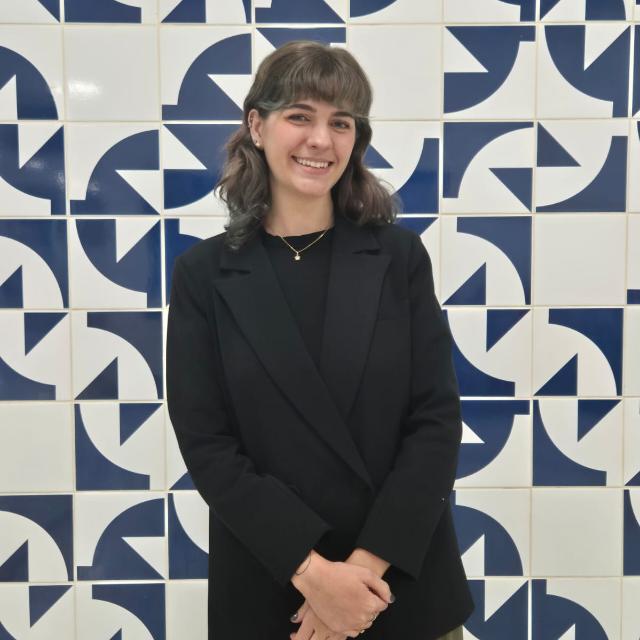
Taisa Souza Vargas
Master's student in Social Sciences at the University of Brasília, in the POST-GRADUATE PROGRAM IN COMPARATIVE STUDIES ABOUT THE AMERICAS, Department of Latin American Studies, and graduated in Social Work from the Pontifical Catholic University of Minas Gerais (PUC Minas). Currently, she works as Executive Coordinator of the International Migration Observatory. He has professional experience in public policies and social work in private companies.
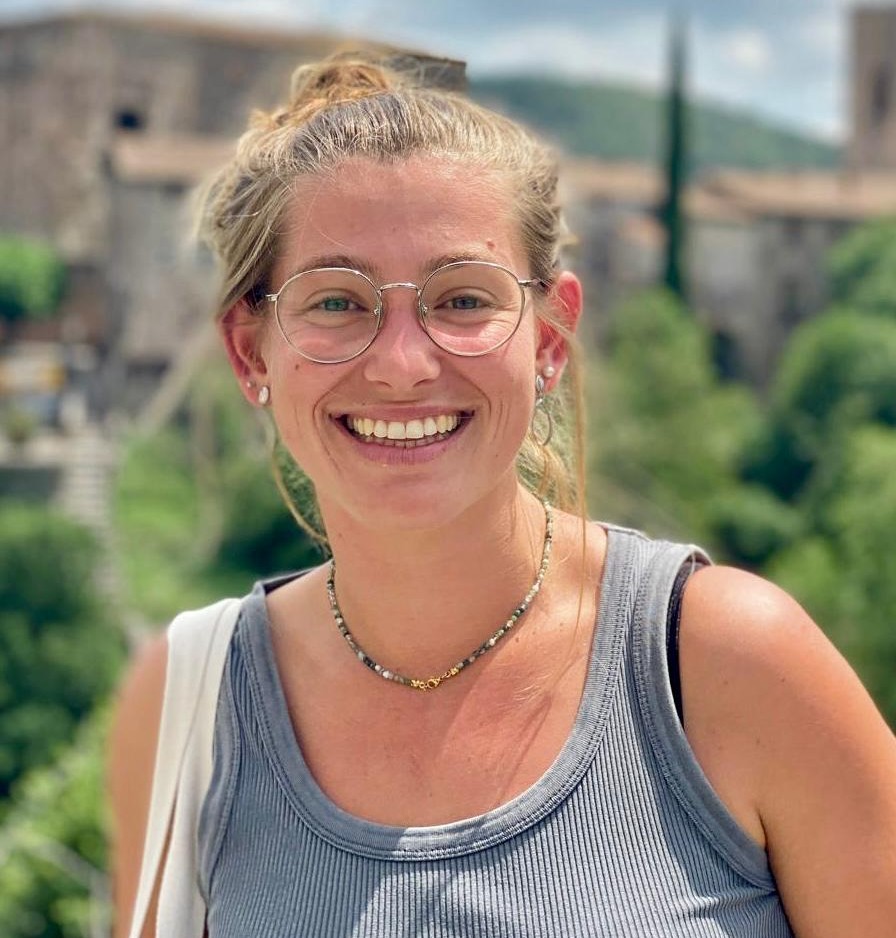
Mireia Pont Soler
Mireia Pont Soler is a PhD candidate in Sociology at the Universitat Autònoma de Barcelona (UAB). She has collaborated with CER-Migracions on research focused on social inequalities with an intersectional approach, integration models, political participation, and transnationalism.
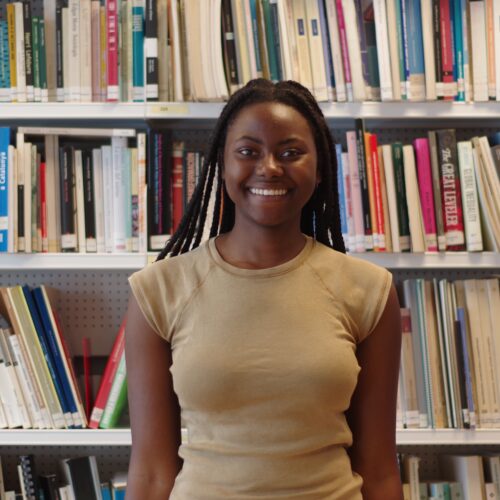
Maenda Tunkara
Maenda Tunkara is a Research Support Officer at CER-Migracions. She holds a Bachelor's degree in Sociology, a Master's degree in Contemporary Migration Studies, and a Diploma in Project Management. She provides academic and administrative support and contributes to research projects, communication, and dissemination.
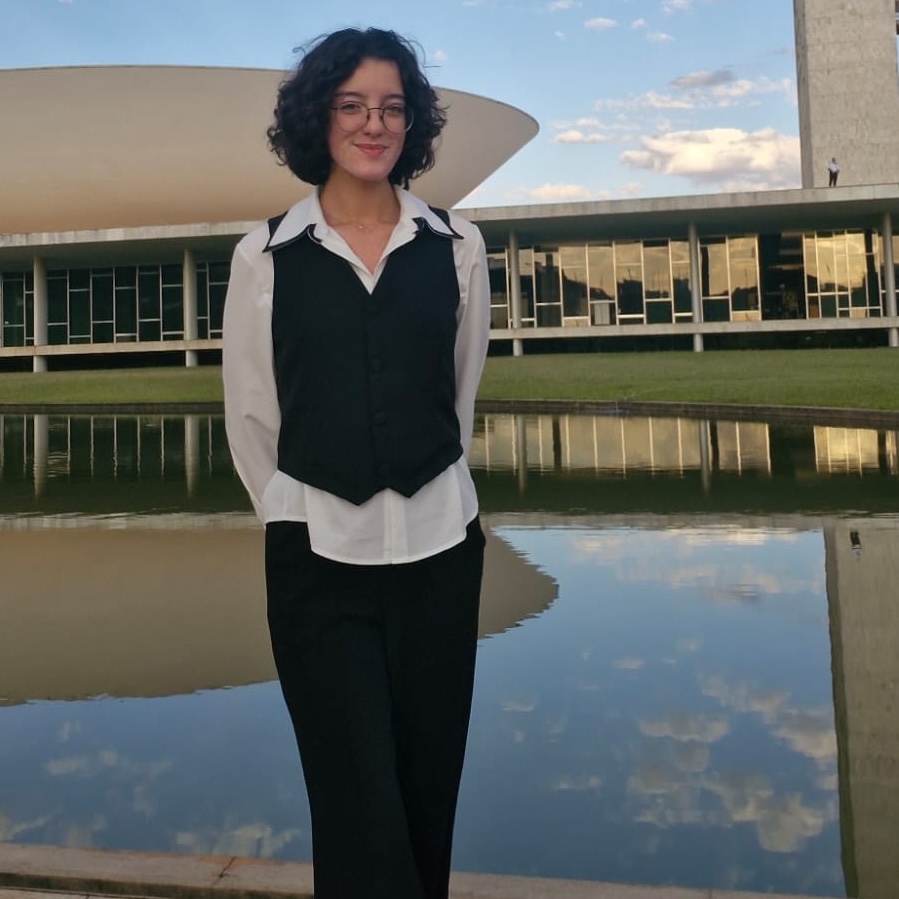
Maria Eduarda Maia Zucato Bueno
Graduating in International Relations from the Catholic University of Brasília. He has academic mobility in the area of International Relations at the University of La Coruña. I have already volunteered in the Portuguese Language extension project for Migrants and Refugees. Currently, he is doing an internship at Field Agri Consultoria. http://lattes.cnpq.br/8798150834057344
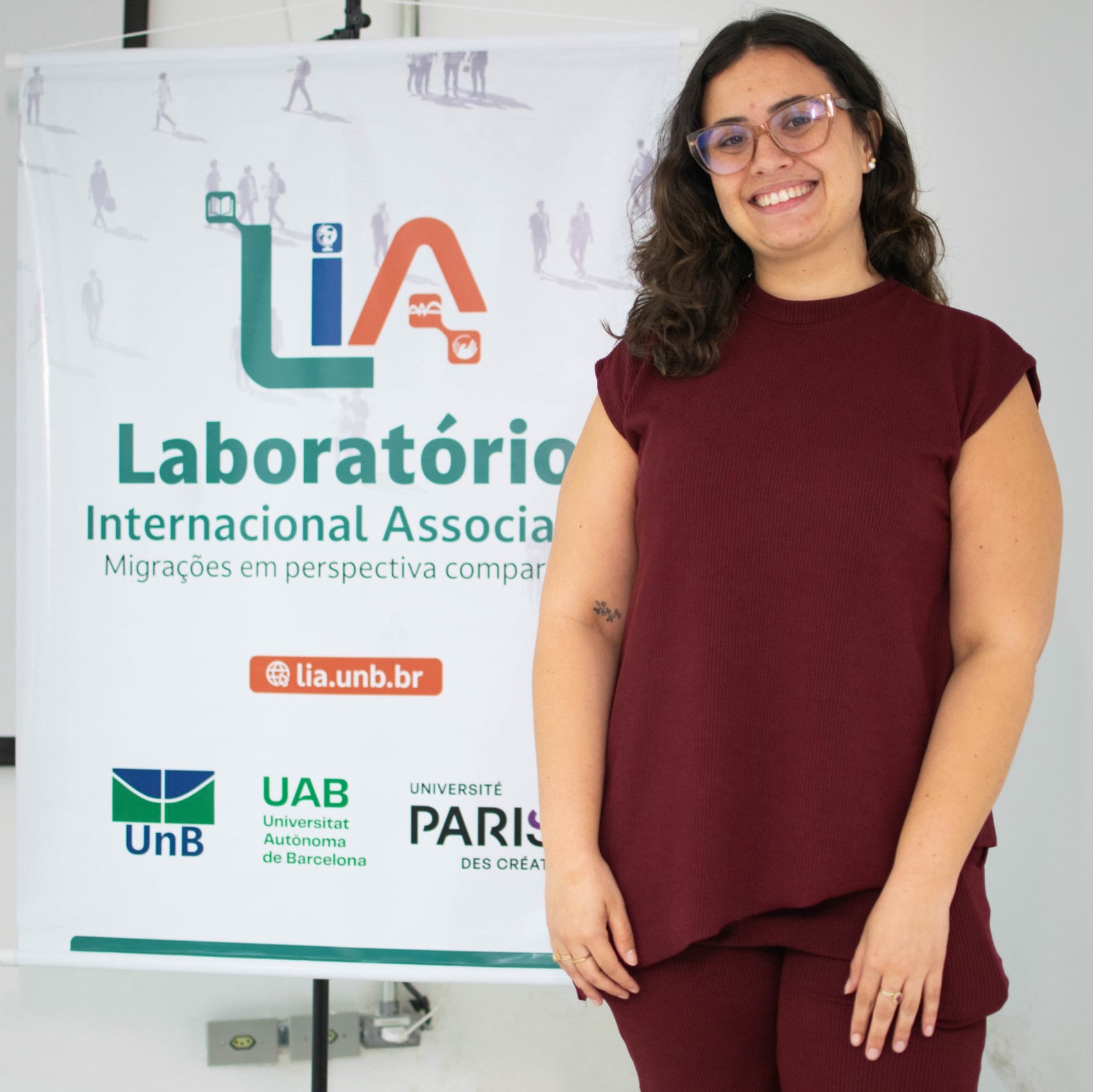
Mayara Souto
Master's student in Social Sciences - Comparative Studies on the Americas, at the University of Brasília, and scholarship holder from CAPES. He has a degree in Social Communication - Journalism from the Federal University of Santa Maria (UFSM), with an academic exchange in Journalism from the Universidad de Playa Ancha (UPLA), in Chile, and academic mobility in Journalism from the Federal University of Santa Catarina (UFSC). Research on contemporary international migration, focusing on Venezuela and Cuba. She is currently a press officer at the Ministry of Environment and Climate Change. http://lattes.cnpq.br/4711878499125378
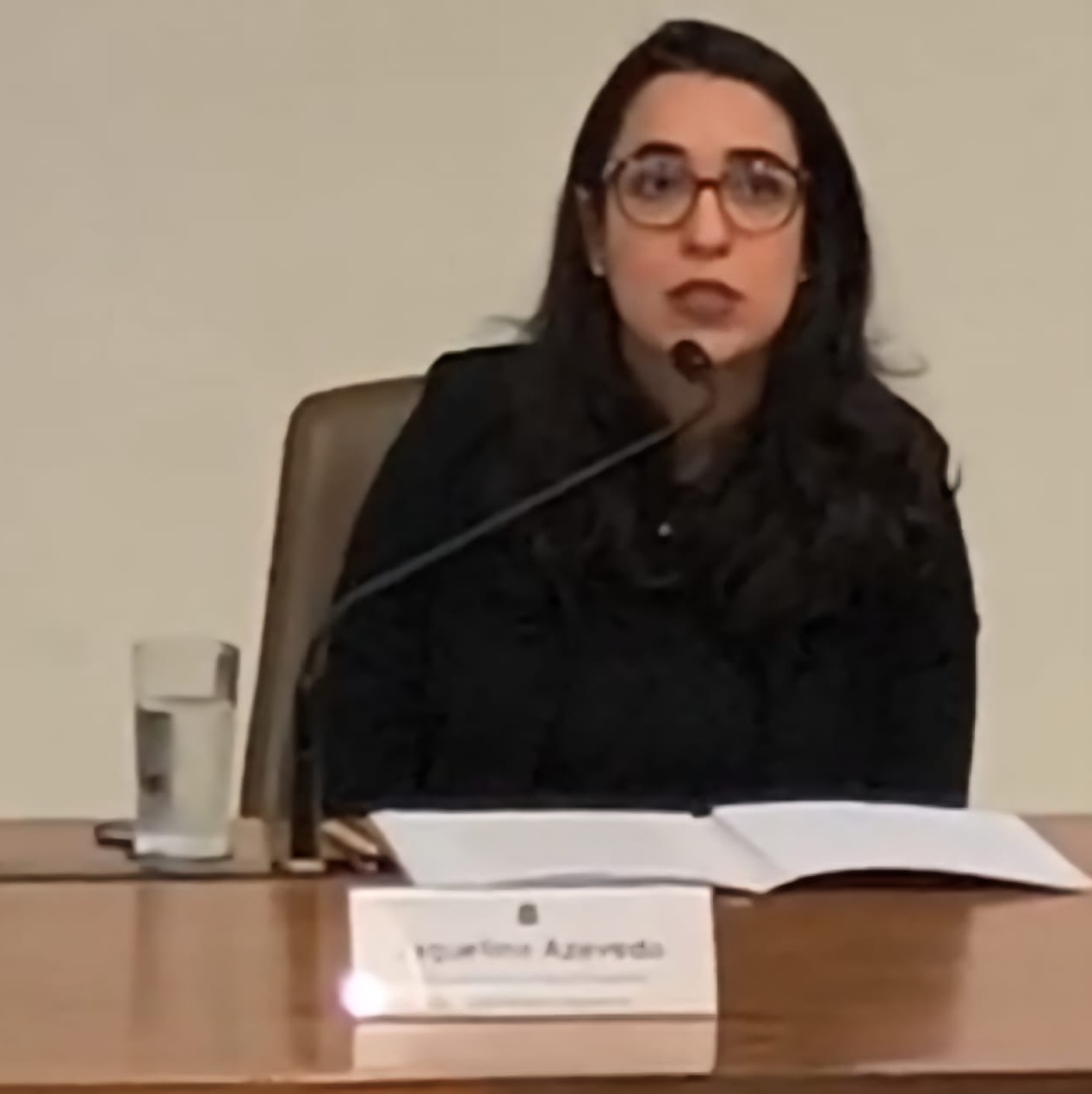
Jaqueline Amorim
Master's student in Applied Computing at UnB, specialist in Data Science at USP/Esalq and bachelor's degree in International Relations at UnB. A public servant since 2019, she researches machine learning applications to predict migration flows and support the formulation of public policies. http://lattes.cnpq.br/3315303612300644

Camila María Hernández Pérez
PhD student in Social Sciences (UnB) and master in Sociology (Universidad de La Habana). Ten years as a teacher/researcher at the University of Havana. Studies Cuban migration, diaspora, digital culture and transnational identities, combining academic research and visual strategic communication. https://lattes.cnpq.br/3311699454581445

Indy Plancher
Born in Haiti, studying for a master's degree in Comparative Studies on the Americas from the Postgraduate Program in Social Sciences at the University of Brasília (UnB). Graduated in Public Health from the Federal University of Latin American Integration (UNILA) in 2019. Develops research with an emphasis on the coloniality of power and the labor insertion of Haitian migrants in Brazil.
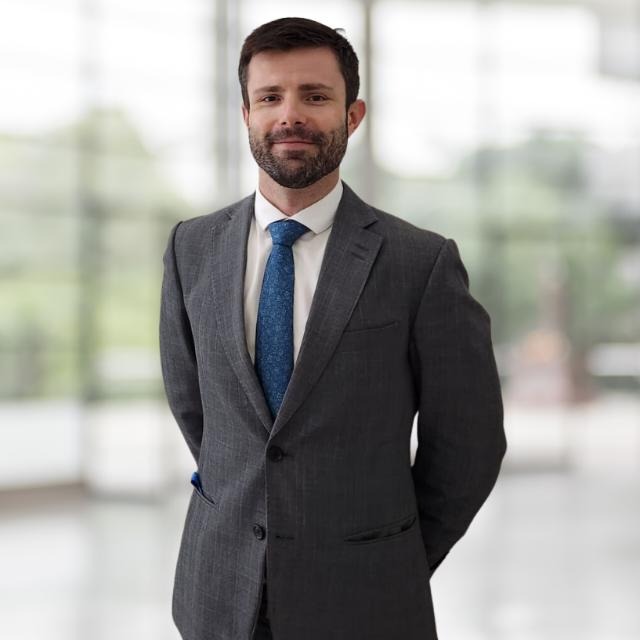
Jonatas Luis Pabis
Master's student in Comparative Studies on the Americas at the University of Brasília, focusing on contemporary international migrations. He was General Coordinator of Labor Immigration at the Ministry of Justice and Public Security. He has been a federal public servant since 2019, working on migration issues.
Research Areas

Migration Governance and Public Policy
Investigates the institutional, legal, and political frameworks that regulate international migration and refuge in different national and regional contexts. It analyzes migration policies, international protection systems, access to rights, international cooperation, multilevel governance, and the impacts of public policies on migrant and refugee populations.

Mobilities, Labor, and Social Inequalities
Examines the relationships between human mobility, labor markets, and processes of social inclusion and exclusion. It seeks to understand how gender, race, class, nationality, and other social markers influence migratory trajectories and opportunities for economic integration.

Forced Displacement, Border Management, and Contemporary Crises
Dedicated to the study of displacements caused by conflicts, persecution, humanitarian crises, violence, climate change, and socio-environmental disasters. It also analyzes the securitization of migration, border regimes, and mechanisms of mobility control.

Culture, Education, Health, and Integration Processes
Investigates the social, cultural, and subjective experiences of migrant and refugee populations, as well as their processes of integration and belonging. It analyzes the interfaces between human mobility, cultural production, education, health, and the construction of identities.

Methods, Data, and Innovation in Migration Studies
Develops and applies innovative methodologies for academic production and data analysis on international migration. It brings together quantitative, qualitative, and computational approaches, promoting the use of databases, artificial intelligence (machine learning and deep learning), and comparative methods to understand complex migratory dynamics.

Pavilhão Multiuso II – Universidade de Brasília Campus Universitário Darcy Ribeiro Brasília-DF 70297-400
lia@unb.br
Social media
Instagram: @lia.migra
Email: lia@unb.br